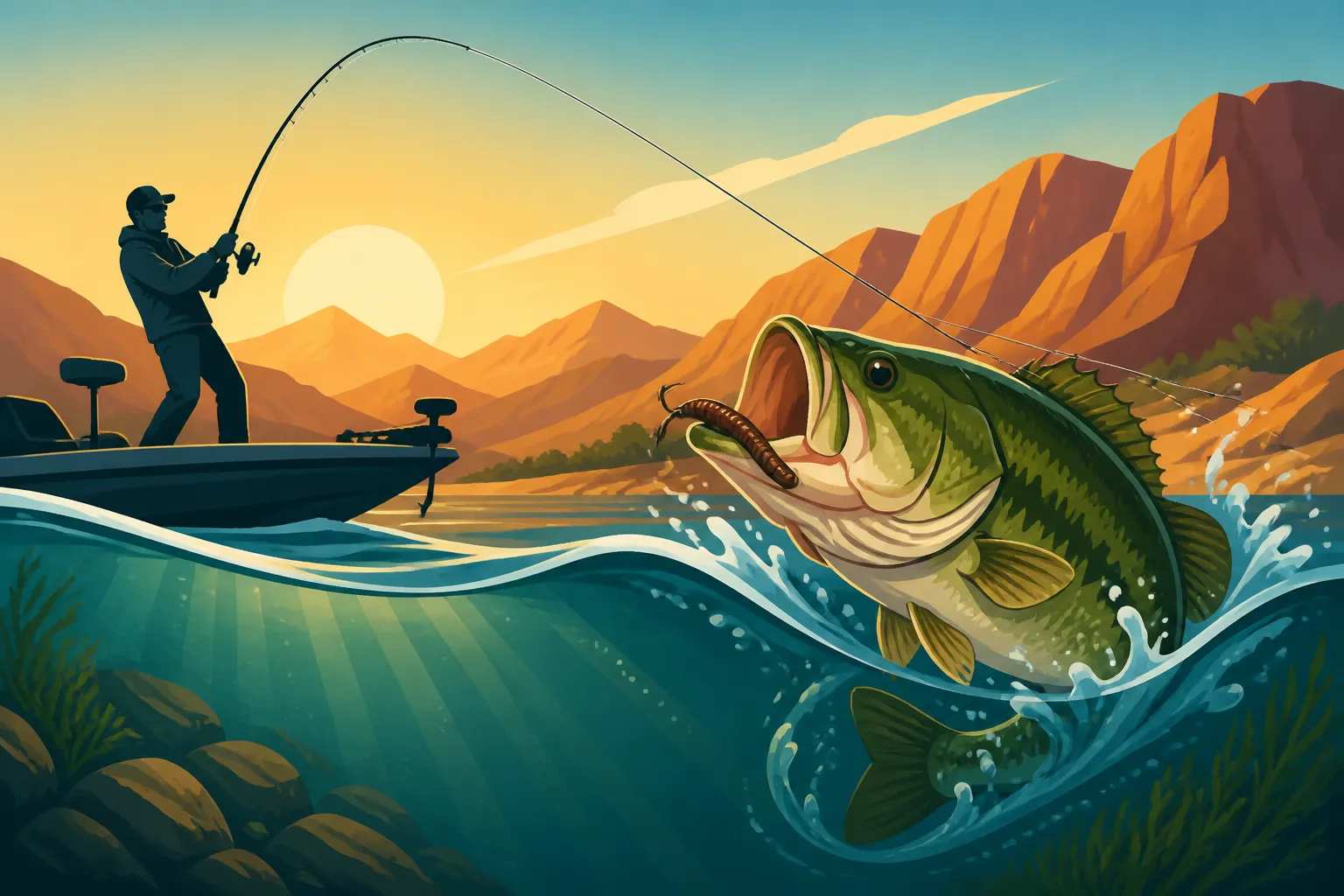
Setting the Hook for Bass Fishing
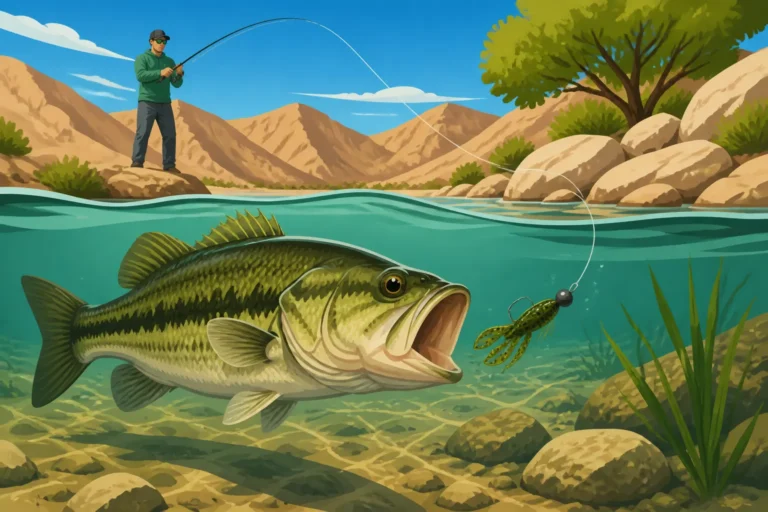
Few things are more frustrating in bass fishing than feeling that distinct "thump" or "tick" only to reel in your line empty, your lure untouched. It's a common tale on Nevada's bass waters, from the vast expanses of Lake Mead to the rocky points of Lake Mohave, where the bass are smart, and getting a solid hook set can feel like a dark art. This comprehensive guide is here to demystify the art of setting the hook for bass, helping you turn those fleeting bites into landed fish and making your time on the water more rewarding.
Understanding the Bass Bite
Before you can set the hook, you need to understand what you're setting it on. The bite of a bass isn't always a dramatic rod-jerking event like you see in fishing shows. Often, it's subtle, a mere change in line tension, a slight sideways movement, or a feeling that your lure suddenly weighs more. Recognizing these nuances is crucial, especially when fishing in deeper waters or with techniques that put a lot of line between you and the fish.
The Subtle vs. Aggressive Strike
Bass bites can range from a barely perceptible "tick" to a rod-wrenching smash. An aggressive bass, particularly when actively feeding or defending a bed during the Nevada Bass Season and Spawn Timing, might absolutely crush your lure. You'll feel a solid thud, and your rod tip will bend sharply as the fish commits fully. In these scenarios, the hook set is often instinctive and highly effective because the fish has already done most of the work for you. It's a satisfying feeling when it happens!
However, more often than not, especially with heavily pressured fish or in colder water, the bite is much more subtle. You might feel a "mushy" resistance, as if your lure just picked up a clump of weeds, or a light tap that feels like your line brushed against a rock. Sometimes, the line will simply start moving sideways, or go slack when it should be tight. These are the bites that separate casual anglers from consistent bass catchers. Learning to distinguish these subtle indications from actual structure or current takes time and practice, but it's a skill that will dramatically increase your success rate.
Factors Influencing the Bite
Several environmental and behavioral factors dictate how a bass will strike your lure. Water temperature, for instance, plays a huge role. In colder waters, bass are often lethargic, their metabolism slowed. They might pick up a bait ever so gently, holding it in their mouth for a moment before deciding to chew or spit. This is when those subtle "weight" changes or light "ticks" become prominent. Conversely, in warmer temperatures, particularly during the spawn or post-spawn feeding frenzies, bass are much more active and aggressive, leading to those harder, more obvious strikes. Knowing the Best Time of Day to Fish in Summer Heat can also influence how a bass attacks your offering.
The type of cover you're fishing also impacts the bite. When bass are tucked deep into dense cover like submerged brush piles or thick cattails, they might inhale a lure quickly to retreat to safety, making for a sharp, sudden strike. In open water, or when cruising along a rocky point, they might follow a lure for a bit, giving it a tentative bump before fully committing. Even the lure itself matters. A weightless soft plastic might elicit a different type of bite than a fast-moving crankbait. Understanding these dynamics helps you anticipate the bite and react appropriately.
The Mechanics of a Proper Hook Set
Once you've felt that unmistakable sign of a bass, the next step is the hook set. This isn't just a random yank; it's a controlled, powerful motion designed to drive the hook point into the tough, bony mouth of the bass. Doing it right is about leverage, line control, and timing. Many anglers struggle here, either setting too weakly or with too much slack, resulting in missed fish and a lot of head-shaking frustration.
Rod Position and Angle
Your rod's starting position is critical for a powerful hook set. Generally, you want your rod tip pointed towards the water or slightly upward, between 8 and 10 o'clock. This gives you ample room to sweep the rod upward and sideways on the hook set, maximizing the rod's power and ensuring a solid connection. If your rod is already pointed straight up at 12 o'clock when the fish bites, you have nowhere to go but down, which is a weak angle to drive a hook.
When you feel a bite, immediately drop your rod tip slightly, reel in any slack, and then sweep the rod hard and fast. Imagine trying to rip the fish's lip off! The angle of the hook set should ideally be away from the fish. If the fish is swimming left, sweep right. If it's swimming towards you, sweep hard to the side. This lateral movement helps the hook point find purchase and turn effectively, digging in securely. Maintain pressure after the initial set; don't let the fish get any slack line.
Line Management
Slack line is the arch-nemesis of a good hook set. If there's too much slack between your rod tip and your lure when a bass bites, your powerful hook set motion will simply take up that slack, rather than driving the hook. This is why you often hear experienced anglers talk about "feeling the line" and "reeling into the fish." As soon as you suspect a bite, even before the big sweep, reel down quickly to take up any loose line until you feel direct contact with the fish.
Using the right fishing line also plays a role. Braided lines, like those often found on Amazon, have virtually no stretch, providing instant feedback and direct power for hook sets, which is great for Largemouth Bass Fishing in Nevada with heavy cover. Fluorocarbon has low stretch, offering good sensitivity and decent power. Monofilament, with its higher stretch, requires a more aggressive, longer sweep to compensate for the elasticity. Understanding the characteristics of Best Line for Desert Reservoir Fishing will definitely help you adjust your hook-setting technique.
The "Sweep" vs. "Jerk"
There are generally two main styles of hook setting: the "sweep" and the "jerk." For most bass fishing situations, especially with soft plastics, jigs, and Texas rigs, the sweep is the preferred method. This involves a long, powerful, sideways and upward motion of the rod, using your entire body, not just your arms. It's a continuous, fluid movement that engages the rod's backbone, driving the hook deep and allowing the fish to load up the rod. Think of it like a golf swing or a baseball bat swing – you're transferring energy through the rod.
The jerk, a short, sharp upward snap of the wrist, is generally less effective for bass with tougher mouths. It often results in superficial hook sets or missed fish because it doesn't provide enough sustained power. However, there are exceptions. With some treble hook baits like crankbaits, a firm, short snap can be enough because the fish often hooks itself. But for single-hook presentations, lean towards the sweep for maximum effectiveness. A good quality rod from the Best Fishing Rods for Nevada Lakes will really shine with a strong sweeping hook set, transferring that power efficiently.
Hook Setting for Different Bass Lures
The type of lure you're using dictates crucial differences in your hook-setting strategy. What works for a plastic worm will absolutely not work for a topwater frog, and vice-versa. Adapting your technique to the lure is a hallmark of an experienced bass angler.
Soft Plastics (Worms, Jigs, Senkos)
When fishing Best Soft Plastics for Bass Fishing like a Texas-rigged worm, a jig, or a weightless Senko, the bite is often a "thump," a "tick," or a feeling of added weight. These baits typically use a single, often offset, hook. The key here is to allow the bass to fully take the bait before setting the hook. When you feel the bite:
- Drop your rod tip slightly. This creates a small amount of slack and allows the fish to inhale the bait without feeling immediate resistance.
- Reel down quickly to take up slack until you feel the weight of the fish. Don't pull yet, just get tight.
- Perform a strong, sweeping hook set. Once you feel the fish, sweep your rod hard and low, usually between 9 and 10 o'clock, then bring it up to 12 o'clock. Use your whole body, not just your arms, to drive that hook through the plastic and into the fish's mouth. This is where a good Best Tackle for Nevada Bass Fishing setup really pays off.
Many beginners make the mistake of setting the hook too soon, pulling the bait right out of the fish's mouth. Give them a second to commit, then deliver that powerful sweep.
Crankbaits and Jerkbaits
Crankbaits and jerkbaits typically have multiple treble hooks. The good news here is that the fish often hooks itself due to the speed and aggression of the strike. When a bass hits a crankbait or jerkbait, it's usually a violent strike.
Instead of a big, sweeping set, the best approach is often to keep reeling through the strike and then apply firm, steady pressure with a short, sharp snap of the wrist or a slight sweep to ensure the hooks are fully buried. Don't drop your rod or hesitate. Your retrieve will naturally load the rod, and the fish's momentum combined with the treble hooks often does most of the work. Over-setting can actually pull the hooks free or tear a bigger hole, leading to a lost fish. Just maintain constant pressure and reel them in.
Topwater Baits
Topwater fishing is incredibly exciting, but it's also where many anglers miss fish because of premature hook sets. When a bass explodes on a topwater lure like a frog, popper, or walking bait, the natural reaction is to immediately yank the rod. Resist this urge!
The key to topwater hook sets is the "wait until you feel the fish" rule. When the bass blows up on your lure, count to one or two seconds, or better yet, wait until you actually feel the weight of the fish on your line before you set the hook. Often, the bass misses the lure on the initial splash or simply grabs it without the hooks fully entering its mouth. By waiting, you allow the fish to turn with the bait and fully engulf it. Once you feel that solid weight, then deliver a strong, sweeping hook set, just like with soft plastics. It’s nerve-wracking, but it's the most effective way to connect with those thrilling topwater strikes, whether you're fishing a quiet cove on Lake Mohave or targeting aggressive bass at Lake Mead.
Spinnerbaits and Chatterbaits
Spinnerbaits and chatterbaits also have single, exposed hooks, but the bite often feels different than a jig or worm. Bass usually "thump" these baits hard or simply grab them, and you'll feel a sudden weight or pull.
When you feel the strike, reel down to take up any slack and then perform a firm, horizontal sweep of the rod. Because these baits are often moving quickly, a sharp, sideways sweep helps transfer that momentum and drive the hook. Don't stop reeling during the set; keep constant pressure on the fish as you bring it in. The strong vibration of these lures can sometimes mask a subtle bite, so if your lure suddenly stops or feels "different," set the hook!
Common Hook Setting Mistakes to Avoid
Even seasoned anglers can fall victim to common hook-setting errors. Recognizing these pitfalls is the first step to correcting them and improving your hook-up ratio.
Premature Hook Sets
This is perhaps the most common mistake, especially with exciting bites like topwater explosions. The adrenaline kicks in, you see or feel the strike, and you react instantly by yanking the rod. The problem? The fish often hasn't fully taken the bait yet. It might have just swiped at it, nudged it, or taken a tentative hold. When you set too early, you pull the lure right out of its mouth. This is the classic "setting the hook on a bite, not a fish." It takes incredible discipline to pause for a moment, but that brief delay allows the bass to fully commit, significantly increasing your chances of a solid hook-up.
Another scenario for premature hook sets is when you're fishing in windy conditions or with a lot of line out. The wind can create bow in your line, and when it straightens, it can feel like a bite. Likewise, if your lure bumps into structure, it might mimic a fish. If you're unsure, it's often better to reel down and feel for actual weight or movement before committing to a full hook set.
Weak or Inadequate Hook Sets
On the other end of the spectrum is the weak hook set. This happens when anglers don't put enough power behind their rod sweep, or they use too much wrist and not enough body. Bass have incredibly tough, bony mouths, and it takes a significant amount of force to drive a hook point through cartilage and bone. A weak set might only embed the hook superficially, making it easy for the fish to shake free during the fight, or worse, leaving a small hole that eventually widens, leading to a lost fish right at the boat.
To avoid this, remember to use a full, sweeping motion, engaging your core and shoulders, not just your arms. Think about really leaning into the set. If you're fishing with braided line, which offers no stretch, a slightly less violent but still powerful set is effective. For monofilament, which stretches more, you often need an even longer, more aggressive sweep to compensate and ensure the hook penetrates fully. Regularly checking your hook points for sharpness, as discussed below, can also make a weak hook set more forgiving, but it's always best to be decisive.
Setting with Too Much Slack
As we touched upon earlier, slack line is the enemy of a good hook set. If there's a significant amount of loose line between your rod tip and your lure, your hook set will simply take up that slack before any force is applied to the hook. Imagine trying to push a rope – you can't. You need tension to transmit force.
This mistake is particularly common when fishing with techniques where you maintain a lot of line out, such as deep-water jigging or long casts with bottom-bouncing baits. The solution is to constantly manage your line, reeling down any visible slack as soon as you feel a potential bite or even before the lure hits the bottom. Develop a habit of always feeling a direct connection to your lure. When you feel that bite, immediately drop your rod tip, reel quickly until you feel the weight, and then set. This ensures that the energy from your sweep is directly transferred to the hook, not wasted on taking up loose line.
Gear Considerations for Better Hook Ups
While technique is paramount, your equipment plays a significant supporting role in achieving consistent hook sets. The right rod, line, and hooks can make a noticeable difference in your hook-up ratio.
Rod Action and Power
Matching your rod to your lure and fishing style is crucial. Rods are described by their "action" (where the rod bends) and "power" (how much force it takes to bend the rod).
- Action: A "fast action" rod bends mostly at the tip, offering excellent sensitivity for detecting subtle bites and quick hook sets. This is ideal for single-hook presentations like worms and jigs where immediate power is needed. A "moderate action" rod bends more through the middle, providing more give, which is great for treble hook baits like crankbaits, as it helps prevent hooks from pulling out when a fish surges.
- Power: Rod "power" refers to its stiffness – light, medium, heavy. Heavier power rods are needed for larger lures, heavier line, and fishing in dense cover, providing the backbone to drive hooks through thick bass mouths. For instance, a medium-heavy rod with a fast action is a versatile choice for many How to Fish for Bass in Nevada techniques, offering both sensitivity and power. For lighter finesse techniques or when fishing for smaller bass, a medium power rod might be more appropriate. You can find a great selection of rods for specific applications on Amazon.
Line Type and Strength
The type of fishing line you choose directly impacts your ability to feel bites and set hooks.
- Braided Line: Offers virtually no stretch, providing incredible sensitivity and direct power transfer for hook sets. It's excellent for fishing jigs and worms in heavy cover, as it cuts through weeds and transmits every bump. However, its lack of stretch means less forgiveness, so your hook set needs to be precise, and some anglers find it easier for fish to tear free.
- Fluorocarbon Line: Has very low stretch compared to mono, offering a good balance of sensitivity, strength, and abrasion resistance. It's nearly invisible underwater, making it a popular choice for all sorts of bass applications, including Smallmouth Bass Fishing in Nevada in clear waters. The low stretch allows for effective hook sets without the harshness of braid.
- Monofilament Line: Features significant stretch, which can cushion hard strikes and make it more forgiving during the fight. However, the stretch also dampens sensitivity and requires a longer, more powerful hook set to ensure penetration. It's still a good choice for topwater baits and crankbaits where its stretch can prevent hooks from tearing free.
Consider the strength as well. Using line that is too light for the conditions can lead to break-offs, while line that is too heavy might reduce your casting distance and lure action. A balanced setup is key to the Nevada Fishing Gear Essentials.
Hook Sharpness and Design
This might seem obvious, but a dull hook is almost guaranteed to result in missed fish or poor hook sets. Always check your hook points, especially after fishing around rocks or wood. Carry a small hook sharpener and use it often. A truly sharp hook will catch on your thumbnail with minimal pressure.
Hook design also plays a role. Wider gap hooks generally offer better hook-up ratios, especially with bulkier baits. Chemically sharpened hooks, like those found on many reputable brands, are incredibly sharp right out of the package. Some anglers even upgrade the treble hooks on their crankbaits to stronger, sharper versions to improve hook-up percentages. Don't underestimate the power of a sticky-sharp hook; it's the final point of contact and needs to be in perfect condition.
Practice Makes Perfect: Drills and Mindset
Like any skill, consistently setting the hook for bass requires practice and a disciplined mindset. It's not just about physical execution but also about mental preparation and learning to trust your instincts.
Developing a Feel for the Bite
The best way to improve your hook-up ratio is to spend time on the water, actively paying attention to what you're feeling. Start by fishing with lures that offer good feedback, like jigs or Texas-rigged worms, in areas with varying bottom compositions. Learn to distinguish between the feel of a rock, wood, grass, and a fish. When you feel something different, treat it as a bite and perform a practice hook set, even if it's just a snag. This builds muscle memory and helps you react instinctively.
Another tip is to keep your eyes on your line where it enters the water. Sometimes, a subtle bite might not be felt through the rod but will be visible as a slight twitch or sideways movement of the line. This is particularly useful when fishing with a slack line technique or when it's windy. The more senses you engage – feeling through the rod, watching the line – the better your chances of detecting those elusive bites. Consider reading up on Reading Water Temperature for Trout Fishing which also applies to bass, as understanding fish behavior related to environment enhances your ability to predict strikes.
Mental Preparedness and Patience
Bass fishing, especially when trying to improve your hook sets, is as much a mental game as it is a physical one. It's easy to get frustrated after missing a few fish, but giving in to that frustration can lead to more missed opportunities. Develop a mindset of patience and anticipation. Expect a bite on every cast, and be ready to react, but also be prepared for the subtlety.
Resist the urge to react immediately on visual strikes with topwater baits. Take that extra breath, tell yourself "wait," and only set when you feel the weight. When you get a bite, remain calm, reel down the slack, and then deliver a powerful, confident hook set. Overthinking or panicking will almost always lead to a weaker, less effective set. The best anglers develop a relaxed yet focused approach, trusting their gear and their technique. If you're looking to refine your bass fishing prowess, check out our guide on Best Lures for Nevada Bass to pair with these hook-setting techniques.
Disclaimer
Fishing regulations and conditions in Nevada can change. Always consult the latest Nevada Department of Wildlife (NDOW) regulations before heading out. This guide provides general information and best practices but is not a substitute for official regulations. Be safe, respect the environment, and practice ethical angling.