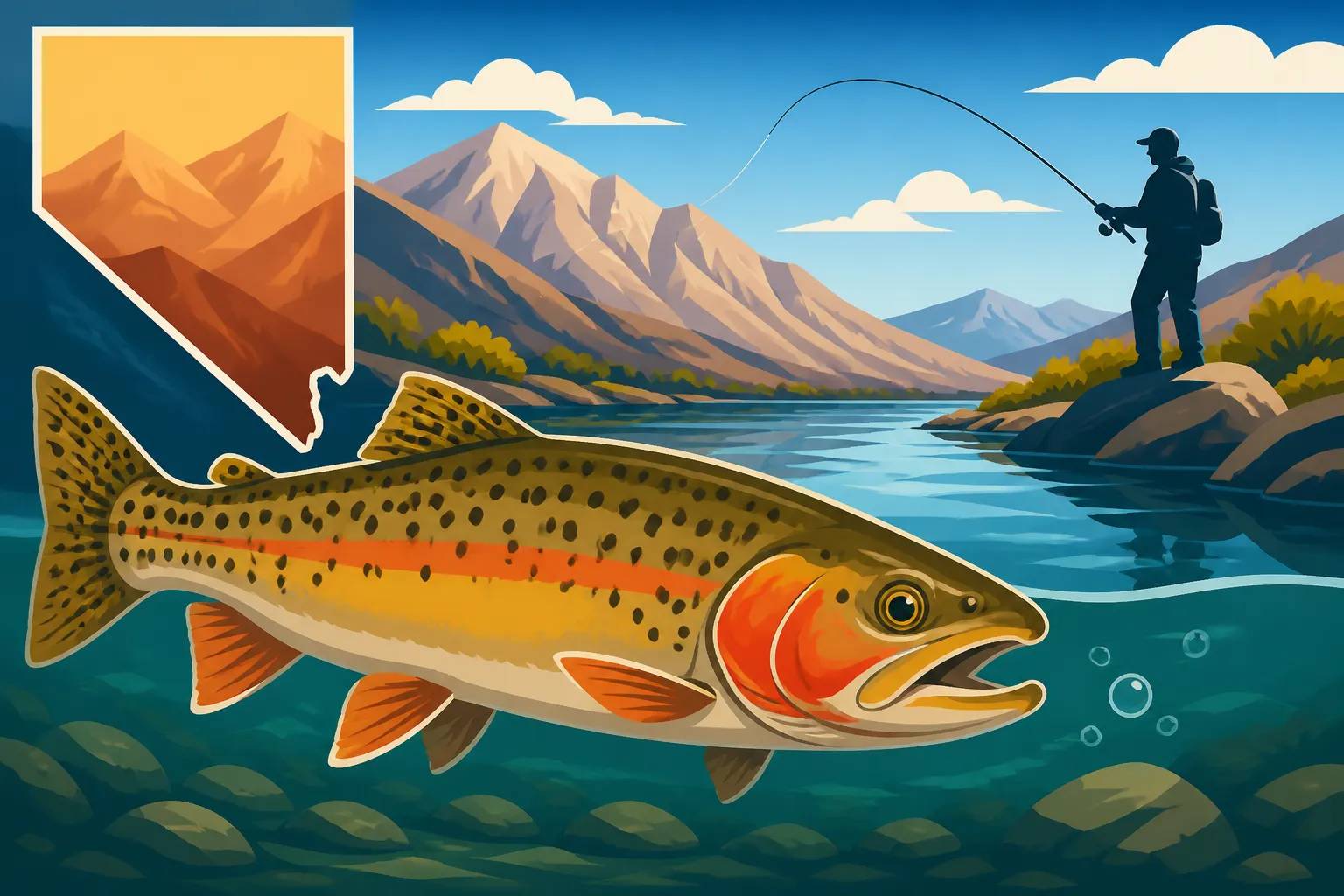
Lahontan Cutthroat Trout in Nevada
For many anglers in Nevada, the thought of fishing conjures images of shimmering lakes and the thrill of a hard-fighting fish. But when we talk about a truly iconic, deeply rooted part of Nevada's natural heritage, nothing quite compares to the Lahontan Cutthroat Trout. These magnificent fish represent not just a fishing opportunity, but a living testament to resilience and dedicated conservation. This guide will take you deep into the world of the Lahontan Cutthroat Trout, exploring their unique history, the best places and ways to fish for them, and how we can all help protect this incredible species for generations to come.
Understanding the Lahontan Cutthroat Trout
There’s something truly special about the Lahontan Cutthroat Trout (LCT). It's not just another fish; it's a living piece of Nevada's history, a species that has faced incredible odds and, thanks to immense effort, continues to thrive in its native waters. For any angler hoping to connect with the spirit of the Silver State's wild places, understanding this remarkable fish is the first step.
A Native Nevada Icon
Imagine a time when vast ancient lakes covered much of what is now Nevada, fed by glaciers and snowmelt. The Lahontan Cutthroat Trout evolved in these immense Pleistocene lakes, adapting to a unique, often harsh, high-desert environment. They are the largest subspecies of cutthroat trout and are native only to the Lahontan Basin of northern Nevada, parts of California, and Oregon. This isn't a species introduced from somewhere else; these are true natives, an integral part of the ecosystem for thousands of years. Their very existence tells a story of survival, growth, and adaptation in a landscape that can be incredibly challenging. When you hold an LCT in your hands, you’re not just holding a fish; you're touching a piece of living history, a connection to ancient Nevada.
The reverence for this fish isn't just among anglers. It’s deeply ingrained in the culture of the region, especially with the Paiute people who have long recognized the LCT as a vital food source and a sacred part of their heritage. Their survival has faced significant threats, and the journey from near extinction to a recovering population is nothing short of heroic, making them an undisputed icon of Nevada's wild fisheries. Their story serves as a powerful reminder of how delicate our natural world can be and the importance of stewardship.
Distinctive Features and Identification
So, how do you know you've caught a Lahontan Cutthroat Trout? They have several distinctive features that set them apart. First and foremost, look for the vibrant red or orange "cutthroat" slash marks under their lower jaw, which is where they get their name. These marks can vary in intensity, but they're almost always present. Their body color can range dramatically depending on their habitat and diet. Fish from Pyramid Lake, for instance, often have a beautiful silvery sheen, while those from smaller streams or reservoirs might display more olive-green or bronze tones with darker spots. The spots themselves are typically larger and more concentrated towards the tail.
Another key identifier is their size. Lahontan Cutthroat Trout are renowned for their potential to grow very large, particularly in places like Pyramid Lake. While many stocked rainbow trout might max out at a few pounds, an LCT can easily reach double digits, with some truly enormous specimens making headlines. Their adipose fin (the small fleshy fin between the dorsal and tail fins) is also a good indicator, as is the presence of basibranchial teeth on the floor of the mouth, though this is harder to check in the field. Knowing these features helps you appreciate what you've caught and ensures you adhere to specific regulations that often apply uniquely to this magnificent species.
Life Cycle and Behavior
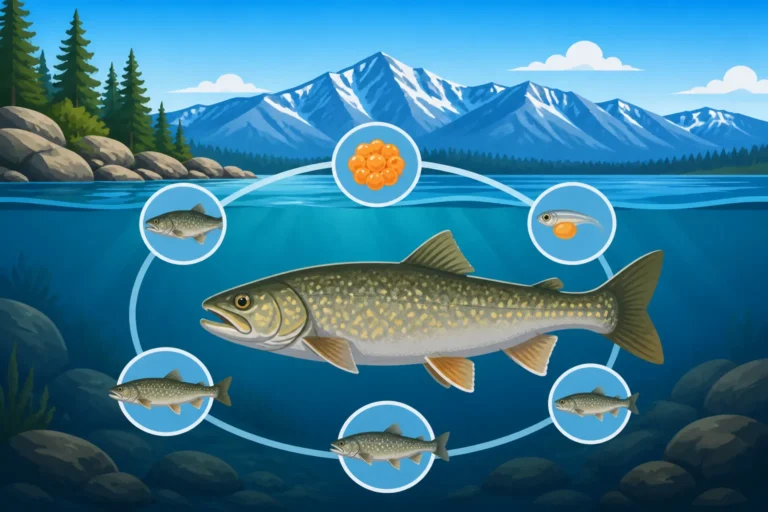
The life cycle of the Lahontan Cutthroat Trout is a fascinating tale of survival, adaptation, and a deep connection to their environment. These trout are anadromous in their purest form, meaning they were historically migratory, moving from large lakes upstream into rivers to spawn. While damming and habitat degradation severely impacted this behavior, modern conservation efforts aim to restore these migratory patterns. In Pyramid Lake, for example, the LCT will leave the lake in late winter or early spring to spawn in tributary rivers like the Truckee, if conditions allow passage. However, many LCT in Pyramid Lake are now "adfluvial," meaning they spawn in the lake's tributary streams or even along the shorelines if river access is blocked or insufficient.
After hatching, the juvenile trout spend a period in these nursery waters before migrating down to the larger lakes, where they feed and grow rapidly. Their diet typically consists of smaller fish, insects, and crustaceans. At Pyramid Lake, the abundant cui-ui sucker is a primary food source for the larger LCT, contributing to their impressive size. They can live for many years, often six to ten years or more, especially in healthy, productive waters. Understanding their life cycle, from spawning runs to feeding habits, is crucial for both effective conservation and for anglers seeking to find and catch these elusive giants responsibly.
Historical Presence and Conservation Efforts
The story of the Lahontan Cutthroat Trout is one of triumph and tragedy, a stark reminder of humanity's impact on nature and our capacity for redemption. Once abundant, these fish faced a precipitous decline that nearly erased them from the Nevada landscape. Their journey back from the brink is a testament to persistent and passionate conservation efforts.
The Brink of Extinction
For millennia, Lahontan Cutthroat Trout thrived in the vast ancient lakes and rivers of the Lahontan Basin. They were the apex predator of these waters, growing to immense sizes and forming the backbone of the ecosystem and the local Native American diet. However, the arrival of European settlers in the 19th century brought rapid and devastating changes. Overfishing, particularly for commercial purposes, quickly depleted populations. Then came the era of dam construction, which blocked vital spawning migrations to tributary rivers like the Truckee. The construction of Derby Dam in 1905, diverting water from the Truckee River, was a particularly heavy blow, essentially cutting off access to crucial spawning grounds for the LCT in Pyramid Lake.
Perhaps the most insidious threat was the introduction of non-native fish species. Rainbow trout and other species were stocked into LCT waters, leading to hybridization, competition for food and habitat, and the introduction of diseases. By the mid-20th century, the original "pilot peak strain" of Lahontan Cutthroat Trout was thought to be entirely extinct from its native Pyramid Lake. It was a truly heartbreaking loss, a profound silence in waters that once teemed with these magnificent creatures. This period represents a somber chapter, highlighting how quickly even seemingly robust populations can disappear when faced with multiple, overwhelming threats.
Decades of Dedicated Restoration
Thankfully, the story didn't end there. A small, isolated population of the original Lahontan Cutthroat Trout (the "sumner strain") was discovered in a remote stream on the Nevada-Utah border, and this discovery ignited a massive, multi-agency conservation effort. The Nevada Department of Wildlife (NDOW), the U.S. Fish and Wildlife Service, and the Pyramid Lake Paiute Tribe became central figures in this monumental undertaking. Their goal was audacious: to bring this iconic species back to its ancestral home, Pyramid Lake.
Starting in the 1970s and continuing to this day, millions of Lahontan Cutthroat Trout have been reared in hatcheries and stocked into Pyramid Lake and other historic LCT waters. This wasn't just about stocking fish; it involved complex habitat restoration projects, reintroducing the LCT into waters where they had been absent for decades, and managing invasive species. Scientists worked tirelessly to understand the genetic makeup of the remaining LCT populations to ensure that the fish being reintroduced were as genetically pure as possible. It was a painstaking, long-term commitment that required significant resources and unwavering dedication. This effort has brought the Lahontan Cutthroat Trout back from the brink, transforming what was once a tragic loss into one of the most remarkable fisheries restoration success stories in North America.
Success Stories and Ongoing Challenges
Today, the Lahontan Cutthroat Trout population, especially in Pyramid Lake, is a resounding success story. Anglers now regularly catch large, healthy LCT, some reaching sizes that rival historical records. The lake has truly become a world-class trophy fishery, drawing anglers from across the globe. Beyond Pyramid Lake, other waters across Nevada, such as Pilot Peak Reservoir and Summit Lake, have also seen successful reintroductions, expanding the range and genetic diversity of the species. This widespread return is a testament to the decades of hard work and collaboration among various agencies and the Paiute Tribe.
However, the journey isn't over. Significant challenges remain. Invasive species like cui-ui (though a food source for LCT, other invasive species can be problematic) and white bass continue to compete for resources or prey on juvenile trout. Drought conditions and fluctuating water levels, which are an increasing concern in the arid West, pose ongoing threats to spawning habitats and overall lake health. Managing water resources, ensuring healthy river flows for spawning, and adapting to climate change are critical for the long-term viability of the LCT. Furthermore, maintaining the genetic integrity of different LCT strains and preventing hybridization with rainbow trout in certain areas remains a constant vigilance. This ongoing battle underscores that conservation is never truly finished; it's a perpetual commitment to protecting our natural treasures.
Key Habitats in Nevada
Nevada's diverse landscape, from vast desert lakes to high-mountain streams, offers a variety of habitats, but for the Lahontan Cutthroat Trout, certain places hold special significance. These are the waters where they've made a remarkable comeback, offering anglers a chance to encounter this incredible species.
Pyramid Lake: The Jewel of LCT
When anyone talks about Lahontan Cutthroat Trout fishing, Pyramid Lake is usually the first, and often only, place that comes to mind. This ancient, terminal lake, located northeast of Reno, is not only historically significant for the species but also arguably the best place in the world to catch a trophy-sized LCT today. The lake is managed by the Pyramid Lake Paiute Tribe and holds the current world record for the largest Lahontan Cutthroat Trout ever caught. Its unique, highly alkaline waters, combined with an abundant food source (primarily the cui-ui sucker), allow the LCT to grow to truly astonishing sizes.
Fishing at Pyramid Lake is a unique experience. The landscape is starkly beautiful, with the pyramid formations rising majestically from the water. Anglers often fish from shore, using ladders to gain casting distance over the often-shallow shelves. Boat fishing is also popular, allowing access to deeper waters and different structures. Because of its unique status, fishing at Pyramid Lake requires a specific tribal permit in addition to a valid Nevada Fishing License Guide. This permit directly supports the tribe's fisheries management and conservation efforts. The lake's regulations are also specific and often stricter than statewide rules, especially concerning gear, bait, and catch limits, all designed to protect this precious fishery.
Other Restoration Waters
While Pyramid Lake gets most of the spotlight, it's important to remember that Lahontan Cutthroat Trout were once widespread across the Lahontan Basin. Conservation efforts have successfully reintroduced them into numerous other waters throughout Nevada, offering diverse fishing opportunities and ensuring the species' wider genetic health. Some of these waters are part of ongoing restoration projects, while others have stable, fishable populations.
For example, Wildhorse Reservoir in northeastern Nevada is another excellent destination for LCT, offering a different fishing experience than Pyramid Lake. These fish often thrive in more conventional reservoir settings, adapting to new forage bases. Small, high-elevation lakes and streams in remote areas, often requiring a hike to access, also host smaller, self-sustaining populations of LCT. These populations are crucial for genetic diversity and provide unique "backcountry" fishing adventures. The NDOW regularly stocks LCT into suitable waters as part of their broader management plan, aiming to expand the species' range and provide more opportunities for anglers to connect with these native fish. Always check the latest Nevada Fishing Regulations Explained for specific information on which waters are managed for LCT.
Understanding Lake Ecology for LCT
To truly appreciate fishing for Lahontan Cutthroat Trout, it helps to understand the unique ecology of their lake environments. Terminal lakes, like Pyramid Lake, are endorheic basins, meaning they retain water and do not drain into an ocean. This leads to unique chemical compositions, such as Pyramid Lake's high alkalinity, which influences the entire food web. The lake's deep, cold waters provide excellent habitat for large trout, while its extensive shallow shelves support a rich insect and baitfish population.
Temperature stratification plays a crucial role in these deeper lakes. During summer, the surface waters warm, and the LCT will retreat to cooler, deeper zones. In spring and fall, as water temperatures equalize or cool, the fish become more active in shallower areas, making them more accessible to shore anglers. Understanding these seasonal movements, influenced by water temperature and food availability, is key to successful fishing. Beyond temperature, the availability of spawning habitat, water quality, and the presence of invasive species all factor into the health and distribution of LCT populations. Recognizing these ecological drivers helps anglers not only find fish but also understand the delicate balance required to maintain these precious fisheries.
Fishing for Lahontan Cutthroat Trout
Catching a Lahontan Cutthroat Trout, especially a trophy, is an experience many anglers dream of. It requires patience, the right approach, and a deep respect for the fish and its environment. These are not your average stocked rainbows; they are powerful, native predators.
Essential Gear and Tackle
When it comes to Lahontan Cutthroat Trout, especially the larger specimens found in Pyramid Lake, you need gear that can handle a serious fight. These fish are strong, and they'll test your tackle. For shore fishing with ladders, a long, medium-heavy to heavy action spinning rod, typically 9 to 12 feet in length, is essential. This length allows for longer casts from the ladder, reaching deeper water where the larger LCT often cruise. Pair this with a robust spinning reel spooled with 15-20 lb monofilament or fluorocarbon, or 20-30 lb braided line with a fluorocarbon leader. A good quality braid, like some options available on Amazon, can offer superior casting distance and sensitivity, which is crucial for detecting subtle bites at long ranges.
If you're fishing from a boat, shorter rods (7-8 feet) can be more manageable for trolling or casting. Downriggers are often used for trolling deep, especially for Mackinaw Trout, but can also be effective for LCT if they are holding deeper. Don't forget a sturdy landing net with a wide hoop and rubberized mesh – essential for safely landing and handling these large fish. A pair of pliers for hook removal is also a must, along with a measuring tape to ensure your catch meets legal requirements and for quick length measurements before release. Nevada Fishing Gear Essentials provides a broader overview of what you might need, but for LCT, think robust.
Popular Fishing Techniques
Lahontan Cutthroat Trout can be targeted using a variety of techniques, each with its own nuances:
- Lure Fishing (Casting & Retrieving): This is perhaps the most popular method at Pyramid Lake. Spoons (like Gibbs-Delta or Daredevle) and jigs are incredibly effective. Heavy spoons (1/2 oz to 1 oz+) in silver, gold, or brass finishes, often with red or orange accents, mimic baitfish. Jigs, particularly those with marabou or chenille tails in white, black, or chartreuse, can be fished with a slow, erratic retrieve. Experiment with retrieve speeds and depths. Many anglers will spend hours casting from their ladders, letting their lure sink before beginning a slow retrieve, often with pauses and twitches.
- Bait Fishing: While artificial lures dominate, some areas and specific regulations allow for bait. PowerBait, worms, or salmon eggs can be effective, especially for freshly stocked fish or in waters where LCT are less pressured. Always check specific regulations for bait use, as Pyramid Lake, for instance, has strict bait prohibitions.
- Fly Fishing: Pyramid Lake is a renowned fly-fishing destination. Stripping large streamers (e.g., Pyramid Lake Beetles, Popcorn Beetles, balanced leeches, woolly buggers) from ladders or boats is highly effective. Trolling large subsurface flies or using indicator setups with nymphs can also produce results. Fly anglers often mimic the cui-ui sucker, using large, dark patterns. The key is often patience and a willingness to adapt your retrieve until you find what the fish are looking for.
- Trolling from a Boat: For those with boats, trolling can cover a lot of water and present lures or flies at consistent depths. Use diving crankbaits, spoons, or even large flies behind a lead core line or downrigger. Vary your speed and depth until you hit the strike zone. Best Bait for Pyramid Lake Cutthroat and Fly Fishing Gear for Pyramid Lake can offer more specific recommendations.
Best Times and Conditions
Timing is everything when it comes to Lahontan Cutthroat Trout. Their activity is heavily influenced by water temperature, weather, and spawning cycles.
-
Seasons:
- Spring (March-May): This is arguably the prime time, especially for Pyramid Lake. As water temperatures rise, LCT become very active and move into shallower areas, preparing for or returning from spawning. Fishing can be exceptional from shore.
- Fall (October-December): Another excellent season as water temperatures cool. Fish become aggressive, feeding heavily before winter. This can be a great time for trophy fish.
- Winter (January-February): Often challenging due to cold weather, but large fish can still be caught, particularly if you can access deeper water from a boat or in milder periods. Ice fishing is generally not an option on the main LCT lakes like Pyramid.
- Summer (June-September): This is generally the toughest time for LCT in larger lakes as they retreat to cooler, deeper water. Fishing can still be productive early in the morning or late in the evening, or by targeting deeper suspended fish from a boat.
-
Time of Day: Early morning and late evening (dawn and dusk) are almost always the best times, regardless of the season. These low-light periods are when LCT are most actively feeding and are more willing to venture into shallower water. Overcast days can extend good fishing throughout the day.
-
Weather: Overcast, slightly breezy days are often preferred. A light chop on the water can break up the surface, making fish less wary. Strong winds, however, can make casting from shore or boat control very difficult. Fishing after a significant storm can sometimes trigger a bite, but safety should always come first. Best Time of Year to Fish in Nevada and Pyramid Lake Season and Bag Limit Rules offer more detailed seasonal breakdowns.
Regulations and Permits
Navigating the rules and regulations for fishing Lahontan Cutthroat Trout in Nevada can feel a bit like wading through a labyrinth, but it's absolutely crucial for responsible angling and conservation. Because of their unique status and the specific management of places like Pyramid Lake, there are often distinct sets of rules to follow.
State Regulations vs. Tribal Permits
This is perhaps the most important distinction to understand when planning your LCT fishing trip.
- Nevada State Fishing License: For all waters managed by the Nevada Department of Wildlife (NDOW), you will need a valid Nevada Fishing License Guide. This applies to LCT populations in state-managed reservoirs and streams. The license helps fund fisheries management, stocking programs, and habitat restoration across the state. You can often purchase these online or at authorized vendors like many sporting goods stores, including those that might sell gear you'd find on Amazon. It's a fundamental requirement for most fishing in Nevada.
- Pyramid Lake Tribal Fishing Permit: Pyramid Lake is sovereign tribal land, managed independently by the Pyramid Lake Paiute Tribe. Therefore, in addition to any Nevada state fishing license you might hold, you must purchase a separate tribal fishing permit to fish Pyramid Lake. This permit is vital; it directly supports the tribe's fisheries management, law enforcement, and conservation efforts for the Lahontan Cutthroat Trout and the unique cui-ui sucker. The tribe sets its own regulations, which can differ significantly from statewide rules. This distinction is non-negotiable, and failing to have the correct permit can result in significant penalties. You can usually purchase these permits at local tackle shops near the lake or sometimes online through tribal resources. Pyramid Lake Fishing Permit Guide gives a more in-depth look at this specific requirement.
Understanding this dual system is paramount. Think of it this way: your state license allows you to fish in Nevada, but the tribal permit grants you access and permission to fish on Pyramid Lake, under the tribe's specific jurisdiction and rules. Always check both sets of regulations before heading out.
Size Limits and Bag Limits
Lahontan Cutthroat Trout are a managed species, and as such, specific size and bag limits are implemented to protect their populations and ensure sustainable angling. These limits are designed to allow fish to reach spawning maturity and contribute to the population before being harvested, or to protect specific trophy-sized fish.
- Statewide Regulations: For LCT in NDOW-managed waters, there will be specific daily bag and possession limits, and often a minimum or slot size limit. A "slot limit" means you can only keep fish within a certain size range, with fish smaller or larger than that range having to be released. This often protects the valuable larger breeding fish. Always consult the current Nevada Statewide Bag Limits Explained and regional fishing regulations booklet, available from NDOW, for the most up-to-date information. These rules can change annually, so verifying them is critical.
- Pyramid Lake Regulations: The Pyramid Lake Paiute Tribe implements its own, often stricter, size and bag limits for LCT. For example, there might be a "slot limit for Lahontan cutthroat trout at Pyramid Lake," where fish of certain sizes must be released, while others can be kept. The daily limit is typically very conservative, often allowing only one or two fish per angler. There may also be restrictions on the total number of trophy-sized fish (e.g., over 20 inches) that can be kept in a season or even annually. These regulations are designed to sustain the world-class trophy fishery and are enforced diligently. Pay close attention to these rules, as they are a cornerstone of the lake's conservation success.
Special Rules for Pyramid Lake
Pyramid Lake, due to its unique ecology and the tribe's dedicated management, has several other special rules that anglers must be aware of. These are not always common in other Nevada waters and are specifically designed to protect the Lahontan Cutthroat Trout and the lake's unique ecosystem.
- Barbless Hooks: In many cases, barbless hooks are required at Pyramid Lake. This rule is a critical component of catch-and-release fishing, making it easier to remove hooks and minimize harm to the fish. Even if not explicitly stated for all lures, it's a good practice to crimp down barbs on all hooks when fishing for LCT to reduce stress on released fish. Nevada Barbless Hook and Bait Rules highlights similar regulations.
- Bait Restrictions: As mentioned, bait is generally prohibited at Pyramid Lake. Anglers must use artificial lures and flies only. This prevents the introduction of foreign species or diseases and ensures fair chase for the LCT.
- Closed Areas/Seasons: Certain areas of the lake or its tributary streams may be closed to fishing at specific times of the year, particularly during spawning seasons, to protect breeding fish. Pyramid Lake Season and Bag Limit Rules will detail any such closures. The Marble Bluff closure zone, for instance, at the mouth of the Truckee River, is often closed to protect spawning fish.
- No Live Wells on Boats: To prevent the transfer of invasive species, the use of live wells on boats might be prohibited or have strict guidelines. Always ensure your boat is clean, drained, and dry before launching into Pyramid Lake to prevent the spread of aquatic invasive species.
- Respect Tribal Land: Remember you are on tribal land. Treat the environment, the local community, and the rules with utmost respect. Pack out all trash, avoid disturbing cultural sites, and follow all instructions from tribal rangers or signage. This respect is fundamental to enjoying this incredible fishery.
Comparison Table: Key Regulations
| Feature | Nevada State-Managed Waters (e.g., Wildhorse Res.) | Pyramid Lake (Tribal Managed) |
|---|---|---|
| Required Permit | Nevada Fishing License | Nevada Fishing License AND Pyramid Lake Tribal Permit |
| Bait Allowed? | Generally Yes (check specific regs) | Generally No (Artificial lures/flies only) |
| Hook Type | Barbed generally allowed (check specific regs) | Often Barbless (recommended always for LCT) |
| Bag/Size Limits | Varies by water, consult NDOW regs | Specific, often strict, consult tribal regs/permit |
| Closed Seasons | Varies by water/species | Specific, e.g., Marble Bluff closure for spawning |
| Boat Launch Fees | Varies by facility/park | Yes, typically separate tribal launch fees (if applicable) |
Catch and Release Ethos
When fishing for Lahontan Cutthroat Trout, especially the truly magnificent ones found in Pyramid Lake, embracing a strong catch-and-release ethos isn't just a suggestion—it's often a necessity for conservation and a mark of a responsible angler. These fish are a precious resource, and minimizing harm during capture and release helps ensure their continued survival and the health of the fishery.
Why Catch and Release is Paramount
The Lahontan Cutthroat Trout's journey back from near extinction is a conservation triumph, but it's a fragile one. Many LCT populations, particularly the trophy strains, are carefully managed to maintain their numbers and genetic integrity. Catch and release plays a critical role in this management for several reasons:
- Population Sustainability: By releasing most or all of the fish caught, anglers help maintain a healthy breeding population. This allows more fish to reach maturity, spawn, and contribute to future generations, rather than being removed from the system.
- Trophy Fishery Preservation: Places like Pyramid Lake are famous for their giant LCT. Catch and release practices ensure that these large, often older, and genetically valuable fish remain in the water, providing future anglers with the chance to experience a similar thrill. Releasing these "breeders" is crucial for maintaining the trophy potential of the fishery.
- Genetic Integrity: In areas where LCT are being restored or managed for specific genetic strains, minimizing harvest helps preserve these unique lineages from depletion.
- Regulatory Compliance: Many LCT fisheries have strict slot limits or low bag limits precisely because catch and release is expected. Adhering to these regulations means releasing fish outside of the legal harvest size, making proper handling skills essential. This approach underscores Why catch and release is required at Pyramid Lake and other LCT waters.
Ultimately, catch and release transforms fishing from a simple harvest activity into a sporting pursuit focused on the interaction with the fish, while actively contributing to its long-term survival.
Best Practices for Handling LCT
Knowing how to properly handle a Lahontan Cutthroat Trout is just as important as knowing how to catch one. Mishandling can cause severe injury or even delayed mortality, negating the purpose of catch and release.
- Minimize Fight Time: Use appropriate tackle that allows you to land the fish quickly without completely exhausting it. A long, drawn-out fight, especially in warmer water, can stress the fish beyond recovery.
- Use a Net: Always have a large, rubberized landing net handy. This cradles the fish, reduces thrashing, and protects its delicate slime coat and fins. Avoid nets with knotty or abrasive mesh.
- Keep Fish in Water: The golden rule of catch and release: keep the fish in the water as much as possible. This is particularly important for Lahontan Cutthroat Trout, which can be sensitive to air exposure. Unhook the fish while it's still in the net and submerged, if possible.
- Wet Your Hands: If you must handle the fish, wet your hands thoroughly before touching it. Dry hands can remove the protective slime coat, leaving the fish vulnerable to infection.
- Support the Fish: If you need to lift the fish for a quick photo, support its full body weight horizontally. Avoid holding it vertically by the jaw or gill plate, as this can damage internal organs and its spine, especially for larger, heavier fish. Use two hands: one supporting the belly, the other gently gripping the base of the tail.
- Quick Hook Removal: Use pliers or hemostats to quickly and carefully remove the hook. If the fish is deeply hooked, it's often better to cut the line as close to the hook as possible rather than tearing at its gills or throat. Barbless hooks make this process much easier and quicker.
- Avoid Excessive Squeezing: Never squeeze the fish's belly or gills. This can cause severe internal damage.
- Resuscitate if Necessary: If the fish seems sluggish upon release, gently hold it upright in the water, facing into the current (if any), and move it back and forth to force water over its gills. Release it only when it swims away strongly on its own.
By following these practices, you significantly increase the chances of the Lahontan Cutthroat Trout surviving and thriving after being released. This directly supports the health of the fishery and honors the spirit of conservation.
Minimizing Stress and Maximizing Survival
Beyond individual handling techniques, there are broader considerations for minimizing stress on Lahontan Cutthroat Trout and maximizing their survival rates post-release.
- Fish During Cooler Times: As mentioned earlier, LCT are often under more stress in warmer water. If water temperatures are high (e.g., above 68-70°F), consider postponing your trip or focusing on species that are more tolerant of heat. Even if released, fish caught in warm water have a higher chance of delayed mortality. Best Time of Day to Fish in Summer Heat emphasizes avoiding the hottest parts of the day.
- Use Barbless Hooks: This cannot be stressed enough. Barbless hooks dramatically reduce the time it takes to unhook a fish, minimize tissue damage, and prevent the hook from getting too deeply embedded. Many responsible anglers crimp the barbs on all their hooks regardless of specific regulations, simply because it’s the right thing to do for the fish.
- Avoid "Hero Shots" that Harm: While a photo with a trophy fish is memorable, prioritize the fish's health. Keep the fish in the water as much as possible, take photos quickly, and return it to the water immediately. Avoid long photo sessions or hoisting the fish high out of the water. A quick, submerged photo is often best.
- Educate Others: Share these best practices with fellow anglers, especially those new to LCT fishing. Responsible angling is a community effort.
By being mindful of these principles, we can all contribute to the long-term health and abundance of Lahontan Cutthroat Trout populations, ensuring that these iconic fish continue to swim in Nevada's waters for generations to come. It’s about more than just catching a fish; it’s about participating in its story of survival and future prosperity.
Ecological Role and Future Outlook
The Lahontan Cutthroat Trout is more than just a prized game fish; it plays a critical role in the complex ecosystems of the Lahontan Basin. Its health and presence are indicators of the overall well-being of these unique desert aquatic environments. Understanding its ecological significance and the challenges it faces helps us appreciate the ongoing efforts required for its future.
Indicator Species and Ecosystem Health
An "indicator species" is an organism whose presence, absence, or abundance reflects the overall health of an ecosystem. The Lahontan Cutthroat Trout serves as a powerful indicator for the Lahontan Basin. Its historical decline was a glaring signal of environmental degradation—overfishing, habitat loss, and the introduction of invasive species. Conversely, its remarkable recovery in places like Pyramid Lake is a testament to improved water quality, successful habitat restoration, and effective fisheries management.
When LCT populations are thriving, it suggests that the entire aquatic food web is functioning well. This includes healthy populations of their prey species, such as insects and smaller fish (like the cui-ui sucker at Pyramid Lake), and good water quality, including appropriate temperatures and oxygen levels. The presence of large, healthy LCT signifies a balanced ecosystem where they can fulfill their role as top predators. Their continued prosperity is not just good for anglers; it's a barometer for the ecological integrity of some of Nevada's most precious natural resources.
Threats to LCT Recovery
Despite the significant strides in LCT recovery, the species still faces a host of ongoing threats that demand constant vigilance and adaptive management strategies.
- Water Management and Drought: In arid Nevada, water is a precious resource. Diverting water from rivers for agriculture and municipal use directly impacts stream flows, which are crucial for LCT spawning migrations and juvenile rearing habitats. Prolonged droughts exacerbate these issues, reducing lake levels and stressing fish populations. The delicate balance between human water needs and ecological requirements remains a significant challenge.
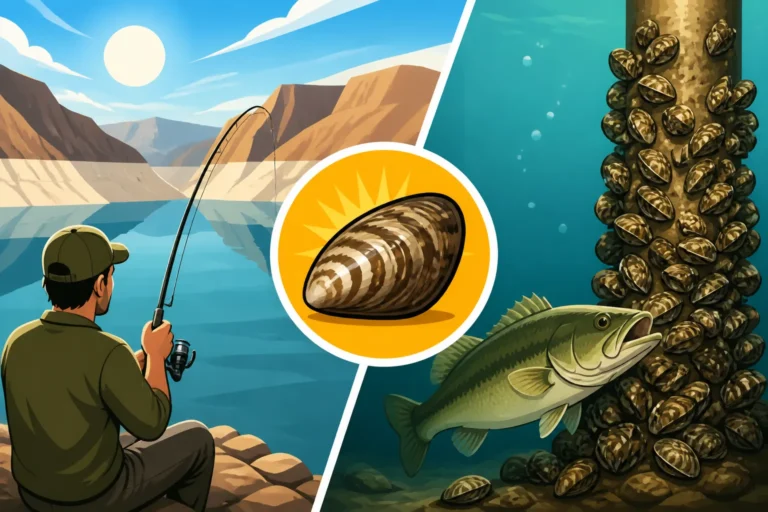
- Invasive Species: The introduction of non-native fish species continues to be a major concern. White bass, for instance, compete with LCT for food and prey on juvenile trout in some waters. Other invasive species, like quagga and zebra mussels, can alter the food web and water quality, impacting LCT indirectly. Preventing the spread of these invaders through proper boat cleaning ("Clean, Drain, Dry") is critical for all anglers.
- Habitat Fragmentation: Dams and other barriers continue to fragment historical spawning routes, limiting the LCT's access to vital upstream spawning grounds. Efforts to create fish passages or bypasses are ongoing but are complex and expensive.
- Hybridization: In waters where LCT coexist with rainbow trout, there's a risk of hybridization, where the two species interbreed. This dilutes the unique genetic makeup of the Lahontan Cutthroat Trout, undermining conservation efforts to maintain pure strains. Managing stocking programs and identifying pure LCT populations are ongoing challenges.
- Climate Change: Rising water temperatures, altered precipitation patterns, and increased frequency of extreme weather events pose long-term threats to cold-water fish like LCT. Adapting management strategies to a changing climate will be crucial for the species' future.
Addressing these complex and interconnected threats requires a collaborative approach involving government agencies, tribal nations, conservation groups, and the angling community.
How Anglers Can Contribute to Conservation
As anglers, we have a vital role to play in the ongoing conservation of the Lahontan Cutthroat Trout. Our actions on and off the water can make a tangible difference in securing the future of this iconic species.
- Follow Regulations Religiously: This is the most fundamental contribution. Understand and strictly adhere to all state and tribal fishing regulations, including licensing, bag limits, size limits, bait restrictions, and closed areas. These rules are designed by experts to protect the fishery. If you are unsure, ask or check the current regulations booklet.
- Practice Responsible Catch and Release: As detailed earlier, proper handling techniques are paramount. Use barbless hooks, keep fish in the water, wet your hands, and ensure a quick, gentle release. Every fish that swims away strongly contributes to the health of the population. Handling and Releasing Lahontan Cutthroat Trout is a skill every LCT angler should master.
- Prevent the Spread of Invasive Species: Always "Clean, Drain, Dry" your boats, trailers, and fishing gear (waders, nets, buckets) when moving between different bodies of water. This simple act prevents the accidental transfer of aquatic invasive species that can devastate LCT habitats and food sources.
- Support Conservation Organizations: Many non-profits and governmental agencies are dedicated to LCT research and habitat restoration. Support their work through donations, volunteering, or simply spreading awareness. Your purchase of a Pyramid Lake tribal permit directly aids tribal conservation efforts.
- Report Violations: If you witness illegal fishing activity or environmental damage, report it to the appropriate authorities (NDOW or tribal rangers). Protecting this resource is a shared responsibility.
- Educate Others: Share your knowledge about LCT conservation, responsible angling practices, and the importance of this species with fellow anglers, friends, and family. By fostering a culture of stewardship, we strengthen the collective effort to protect these magnificent fish.
The Lahontan Cutthroat Trout is a symbol of Nevada's wild beauty and a living testament to successful conservation. By understanding its history, respecting its habitats, fishing responsibly, and actively contributing to its protection, we can ensure that future generations continue to marvel at these ancient, powerful fish. The fight for their future is ongoing, and every angler has a part to play in this inspiring journey.
Disclaimer
This article is for general informational purposes only and does not constitute professional advice. Laws, prices and regulations vary by location and change over time. Consult a qualified professional for guidance on your specific situation.